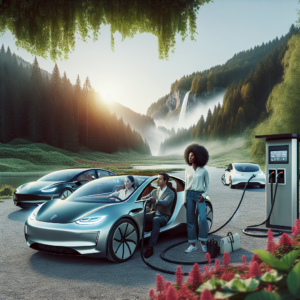

The electric vehicle (EV) market has seen remarkable growth in recent years, and by 2026, owning one is expected to be a more common choice for consumers. However, potential buyers must navigate various costs associated with this trend. Understanding the real costs of owning an electric vehicle goes beyond the sticker price. It encompasses factors such as energy consumption, maintenance, depreciation, and financial incentives.
Purchase Price and Incentives
The initial purchase price of an electric vehicle can vary significantly based on the model and features. While many electric cars may have a higher upfront cost compared to traditional gasoline vehicles, government incentives can mitigate this difference. Tax credits and rebates are often available, making the transition to electric vehicles financially attractive.
By 2026, these incentives may evolve, reflecting changes in government policies and the growing adoption of EVs. Understanding local and federal rebates becomes essential for consumers aiming to maximize their investment. Yet, it is crucial to remain mindful that these incentives can fluctuate, affecting the overall affordability of electric vehicles.
Energy Costs
Electric vehicles are generally cheaper to fuel than their gasoline counterparts. The cost per mile driven is substantially lower, especially as charging infrastructure continues to expand. Home charging installations make it even more economical, allowing owners to take advantage of off-peak electricity rates.
However, it is essential to consider the potential costs of public charging networks, which can vary widely. Fast chargers at stations might incur higher fees than home charging. As the charging landscape evolves, understanding these costs will be vital for budgeting your EV ownership experience.
Maintenance and Longevity
Electric vehicles typically require less maintenance than internal combustion engines due to fewer moving parts. There are no oil changes, transmission repairs, or fuel system cleaning needed. However, other factors, such as battery health, can influence long-term costs.
Battery replacement costs have been a concern for many, but advancements in technology have led to improved longevity and warranties. By 2026, the average lifespan of EV batteries is expected to continue increasing, minimizing this potential expense. Understanding the maintenance landscape will play a crucial role in assessing the total cost of ownership.
Depreciation Trends
Depreciation rates for electric vehicles have been a topic of discussion among consumers and investors alike. Historically, EVs have depreciated faster than traditional cars due to technology advancements and rapid changes in consumer preferences. However, as the market matures, this trend may shift.
By 2026, the demand for used electric vehicles is projected to rise, potentially stabilizing their resale values. Factors such as improved battery technology and enhanced features will likely influence depreciation rates, making it critical for prospective owners to consider resale value when investing in an electric vehicle.
The landscape of electric vehicle ownership is complex and multifaceted. As consumers navigate through the various costs associated with EVs, a comprehensive understanding will empower them to make informed decisions. The transition to electric vehicles, while promising, requires careful consideration of all financial implications involved.