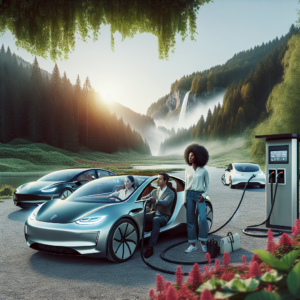


The rapid advancement of technology has brought electric cars into the mainstream, appealing to environmentally conscious consumers and tech enthusiasts alike. However, recent studies reveal that these vehicles are depreciating in value at an alarming rate, faster than many analysts had anticipated. This unexpected trend has raised eyebrows and sparked a debate about the long-term viability of electric vehicles in the automotive market.
The Depreciation Dilemma
Electric cars, once viewed as the future of transportation, are now facing significant depreciation challenges. Factors contributing to this trend include the rapid pace of technological innovation and an ever-increasing inventory of used electric vehicles on the market. As manufacturers unveil new models with improved features and longer ranges, the allure of older models diminishes.
This depreciation is exacerbated by consumer perceptions. Electric cars can be perceived as expensive investments, and when their resale values drop sharply, skepticism about their overall worth intensifies. This phenomenon poses a challenge not just for individual owners, but also for manufacturers who rely on a steady turnover of vehicles to maintain brand loyalty and profitability.
Market Dynamics and Competition
The electric vehicle market is becoming increasingly competitive, with numerous automakers launching their own versions of electric cars. This influx leads to an oversaturated market, where consumers have a plethora of choices. Compounding this issue is the emergence of affordable alternatives that offer comparable features at lower prices.
As new entrants disrupt traditional brands, older models often struggle to maintain their value. The rapid evolution of technology means that features considered cutting-edge today may seem outdated in just a few years. Consequently, buyers may opt for newer models or alternative brands, further accelerating the depreciation of existing electric vehicles.
Battery Life and Financial Implications
One of the most significant concerns for electric car owners is battery longevity. The battery is arguably the most critical component of an electric vehicle, and its performance directly affects the car’s resale value. As batteries age, their capacity diminishes, leading to shorter driving ranges and increased concerns about replacement costs.
Potential buyers are often wary of investing in an older electric vehicle due to the uncertainty surrounding battery health. This hesitance can drive down prices, creating a ripple effect throughout the market. The financial implications are profound, as owners may find themselves unable to recoup their initial investments, leading to frustration and disillusionment with electric vehicles.
The Road Ahead
As the landscape of electric vehicles continues to evolve, stakeholders must adapt to the realities of a changing market. While the depreciation of electric cars presents challenges, it also offers opportunities for innovation and improvement. Manufacturers must focus on enhancing battery technology, improving vehicle longevity, and creating models that retain value over time.
Ultimately, the future of electric vehicles may hinge on their ability to balance technological advancement with consumer expectations. Success will depend on not just selling cars, but fostering an ecosystem where value retention and consumer satisfaction go hand in hand.