

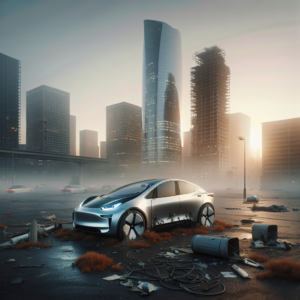
In 2026, a significant shift is taking place in the automotive landscape, with thousands of drivers opting to abandon gas-powered vehicles. This trend reflects both environmental consciousness and technological advancements in the transportation sector. As the world increasingly grapples with the consequences of climate change, the transition toward sustainable driving options is becoming more pronounced.
The Rise of Electric Vehicles
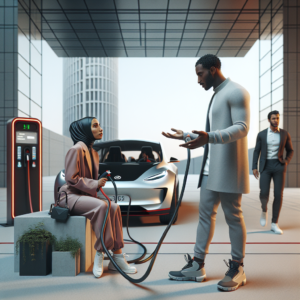
Electric vehicles (EVs) have surged in popularity, driven by a combination of government incentives and consumer demand. The expansion of charging infrastructure has alleviated many concerns related to range anxiety, making it easier for drivers to transition from traditional gas cars. Moreover, the advancements in battery technology have led to longer ranges and faster charging times, further enticing potential buyers.
Many drivers are now drawn to the idea of owning a vehicle that not only reduces their carbon footprint but also offers significant savings on fuel costs. As electricity remains cheaper than gasoline in many regions, the economic appeal of EVs continues to grow, influencing the decisions of countless motorists.
Government Regulations and Incentives
Governments around the globe are implementing stricter emissions regulations, which are pushing automakers to abandon gas vehicles in favor of cleaner alternatives. In some regions, there are even plans to phase out the sale of new gas cars entirely by the end of the decade. These regulatory frameworks have created a sense of urgency among drivers to make the switch before restrictions become more stringent.
In addition, various incentives such as tax credits, rebates, and grants are encouraging consumers to consider electric alternatives. These financial benefits make the transition more appealing, allowing drivers to offset the initial investment required for an electric vehicle.
Changing Consumer Preferences
As awareness of environmental issues grows, consumers are becoming more discerning about their choices. The modern driver values sustainability and is inclined to support brands that align with these values. The cultural shift towards eco-consciousness has fostered a strong market for electric vehicles, which are perceived as a responsible choice for the future.
Moreover, the proliferation of information regarding the negative impacts of fossil fuel consumption has led to a more informed public. Drivers are increasingly aware of the benefits of sustainable living, prompting many to reassess their transportation options and ultimately make the switch from gas-powered vehicles.
The Future of Transportation
The exodus from gas cars in 2026 signifies a pivotal moment in the evolution of personal transportation. As more drivers embrace electric vehicles, the automotive industry is likely to evolve significantly, prioritizing sustainability and innovation. This shift will not only affect individual choices but will also redefine urban planning and infrastructure development in the years to come.
In this rapidly changing environment, the future of transportation looks promising, with the potential for cleaner air and reduced dependence on fossil fuels. As the industry adapts to these changes, both consumers and manufacturers will play a crucial role in shaping a more sustainable future.